Vintage Robot 3D Printable Model for 3D Printing: A Strategic Choice for Creativity and Nostalgia
The Vintage Robot 3D Printable Model for 3D Printing is more than just a design—it's a bridge between retro aesthetics and modern innovation. Designed with simplicity, durability, and ease of use in mind, this model offers a unique opportunity to bring classic science fiction imagery into the digital age. Whether you're an enthusiast, a creator, or a professional looking to enhance your projects, the Vintage Robot 3D model provides a versatile tool that aligns with both creative and practical goals.
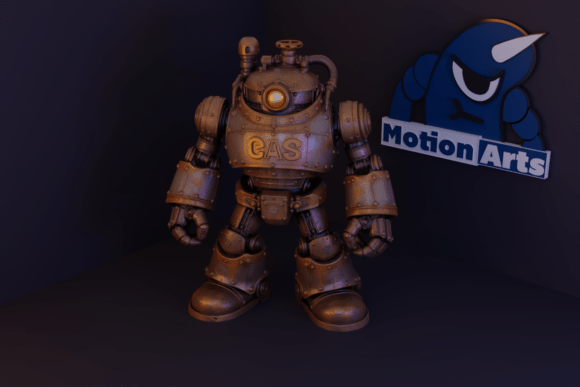
Its appeal lies in its ability to evoke nostalgia while maintaining a functional structure. The model features well-defined volumes, a solid build, and stylized mechanical elements that reflect early robotics concepts. This makes it ideal for those who want to explore 3D printing without the complexity of advanced designs. With a closed and stable geometry, it minimizes the risk of print failures, making it particularly suitable for beginners and those new to the 3D printing process.
Why the Vintage Robot 3D Printable Model Matters Strategically
In today’s fast-paced digital landscape, the Vintage Robot 3D Printable Model for 3D Printing stands out as a strategic asset. It allows users to integrate retro themes into their work, whether for personal projects, commercial applications, or educational purposes. By leveraging this model, individuals and businesses can create unique content that resonates with audiences who appreciate the charm of classic sci-fi imagery.
For entrepreneurs and small business owners, the model offers a cost-effective way to produce custom items. Whether you're creating promotional materials, decorative pieces, or collectibles, the Vintage Robot 3D model can serve as a foundation for various products. Its simplicity ensures that even those with limited experience in 3D printing can achieve high-quality results, reducing the learning curve and increasing productivity.
From a branding perspective, the model can help establish a distinct identity. Incorporating vintage elements into your brand's visual language can differentiate your offerings from competitors. It also creates an emotional connection with customers who value nostalgia and craftsmanship. This is especially relevant in industries such as home decor, gaming, and entertainment, where storytelling and aesthetics play a crucial role.
When and How to Use the Vintage Robot 3D Printable Model
The Vintage Robot 3D Printable Model for 3D Printing is best used when there is a clear purpose or goal in mind. It's not a one-size-fits-all solution, but rather a tool that works best when integrated into a broader strategy. Consider the following scenarios:
- Collectible Projects: For collectors or hobbyists, the model can be used to create personalized replicas of classic robots, adding to their collections or selling them as unique items.
- Decorative Elements: In interior design or event planning, the model can be printed as a decorative piece, bringing a retro vibe to spaces or themes.
- Educational Tools: Teachers and educators can use the model to teach students about 3D printing, design principles, and the history of robotics in a hands-on way.
- Marketing Materials: Businesses can incorporate the model into their marketing campaigns, using it as a visual symbol of creativity and innovation.
To get the most out of the model, it's important to approach it with a plan. Start by defining your objectives—whether it's to create a specific product, enhance a project, or explore a new creative direction. Then, consider the technical aspects, such as material choices, print settings, and post-processing techniques. A well-structured approach ensures that the final result meets your expectations and aligns with your goals.
Key Considerations Before Using the Vintage Robot 3D Model
Before relying on the Vintage Robot 3D Printable Model for 3D Printing, there are several factors to consider. First, ensure that the model is compatible with your 3D printer. While the design is optimized for ease of printing, different printers may require adjustments to settings like layer height, infill density, and support structures. Always check the specifications provided by the model’s creator to avoid unnecessary complications.
Another important consideration is the intended use of the final product. If the model is being used for commercial purposes, make sure that you have the proper rights or licenses. Some models may be available under open-source licenses, while others may require attribution or payment. Understanding these details helps avoid legal issues and ensures that your use of the model is ethical and compliant.
Additionally, think about the long-term value of the model. Will it continue to serve your needs over time? If you're planning to scale up production or modify the design, consider whether the original model provides enough flexibility for future iterations. Investing in a model that can evolve with your projects can save time and resources in the long run.
Practical Examples of Strategic Use
Let’s look at a few real-world examples of how the Vintage Robot 3D Printable Model for 3D Printing can be used strategically:
- Home Decor: A designer might use the model to create a series of decorative robot figurines for a boutique store. These pieces could be sold as unique home accessories, appealing to customers who love retro aesthetics.
- Event Themes: An event planner could incorporate the model into a sci-fi-themed party or exhibition. Printed as centerpieces or interactive displays, the robots could add a nostalgic touch that enhances the overall experience.
- Educational Workshops: A school or community center might use the model in a 3D printing workshop, teaching participants about design, engineering, and creativity. The simplicity of the model makes it accessible to all skill levels.
- Branding Campaigns: A tech startup could use the model as part of its branding efforts, creating a mascot or logo that reflects its commitment to innovation and retro inspiration.
These examples highlight the versatility of the model and demonstrate how it can be adapted to different contexts and objectives. The key is to identify the right application and tailor the use of the model accordingly.
Risks of Using the Model Without Clear Goals
While the Vintage Robot 3D Printable Model for 3D Printing offers many benefits, it's important to recognize the risks of using it without a clear purpose. Randomly printing the model without a defined goal can lead to wasted time, resources, and effort. It may also result in a final product that doesn't meet expectations or add value to your work.
Without a strategic approach, the model may become just another item in a collection of prints, lacking meaning or impact. To avoid this, always ask yourself: What am I trying to achieve with this model? How does it fit into my larger plans? What value will it bring to my audience or business?
By answering these questions, you can ensure that your use of the model is intentional and aligned with your broader goals. This mindset helps transform the model from a simple design into a meaningful tool that supports your creative or professional ambitions.
Conclusion: Intentional Use for Long-Term Value
The Vintage Robot 3D Printable Model for 3D Printing is a powerful resource for anyone looking to blend retro charm with modern technology. Its design, ease of use, and adaptability make it a valuable asset for creators, entrepreneurs, and educators alike. However, its true potential is unlocked only when it is used with intention and purpose.
By understanding when and how to use the model, considering the necessary factors, and aligning its application with your goals, you can maximize its benefits. Whether you're enhancing your creative projects, building a brand, or exploring new possibilities in 3D printing, the Vintage Robot 3D model offers a unique opportunity to bring nostalgia and innovation together in a meaningful way.